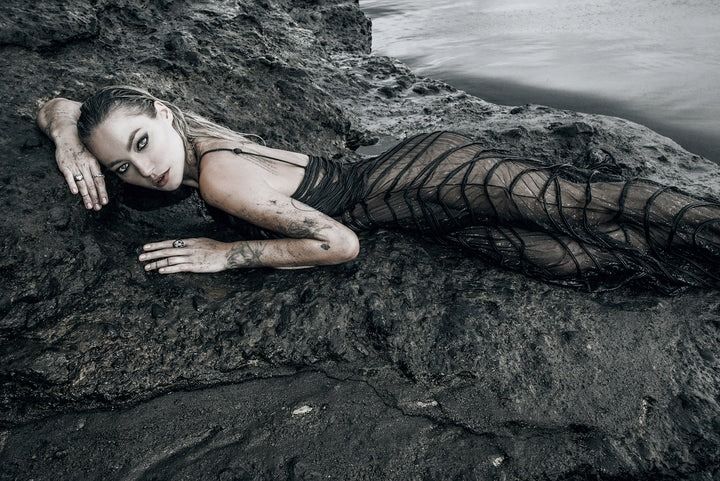
Fashion has always responded to culture, but the last decade has seen a distinct shift. Performers, public figures, and stylists are reaching for pieces that behave less like clothing and more like sculpture, garments built to make a statement rather than simply cover the body.
This shift is closely tied to the rise of luxury wearable art, a category of fashion where craftsmanship, individuality, and visual storytelling matter as much as fit. Understanding why this movement has gained momentum offers useful insight for stylists, designers, and anyone curious about where fashion is headed next.
What Makes Fashion "Avant-Garde"
Avant-garde fashion is defined less by trend cycles and more by intention. It typically features:
Sculptural or architectural silhouettes that move away from conventional tailoring
Unexpected materials, textures, or construction techniques
A focus on individuality over mass-market appeal
Designs that prioritize emotional or visual impact
Rather than following what's popular, avant-garde design tends to ask a different question: what does this piece make the wearer feel, and what does it communicate to the people watching?
The Spotlight Effect
Public appearances, whether on a red carpet, a stage, or in front of a camera, create a particular kind of pressure. A garment needs to hold up under scrutiny, photograph well from every angle, and say something about the person wearing it.
This is where luxury wearable art has found real traction. Handcrafted, made-to-order pieces allow for a level of structure and detail that's difficult to achieve with standard production, which matters enormously when a single image or performance moment needs to carry weight.
It's also why the worlds of high fashion and entertainment overlap so frequently. A garment built for a stage performance often shares more in common with a costume than with off-the-rack clothing, structured for movement, built to photograph dramatically, and designed around a specific moment rather than everyday wear.
Where Film/TV Costume Design Comes In
The connection between avant-garde fashion and film/TV costume design isn't accidental. Both fields rely on clothing to do more than dress a person; they use it to build character, mood, and narrative.
Designers working across both spaces often bring the same sensibility to each: an armor-like jacket might read as "warrior" on a runway and "anti-hero" on screen. A sculptural cloak might suggest ceremony in a stage performance and otherworldliness in a genre production. The visual language overlaps because the underlying goal is the same, using clothing to tell a story before a word is spoken.
Some design houses work directly across both worlds. Gelareh Designs, for instance, creates handmade, made-to-order pieces that have appeared in productions such as Gotham, Lucifer, Star Trek: Discovery, and Black Lightning, while also being worn by performers and public figures for stage and public appearances. That crossover illustrates how a single design sensibility, built around structure, texture, and sculptural detail, can serve both narrative and personal expression.
Practical Takeaways for Stylists and Designers
For anyone working with performers, public figures, or clients who want a distinctive look, a few principles are worth keeping in mind:
Prioritize construction over trend. Sculptural, well-built pieces tend to photograph and perform better under stage lighting or camera scrutiny than fast-fashion alternatives.
Think about movement, not just appearance. A piece that needs to be worn on stage or in front of a camera has to move convincingly, not just look striking while still.
Consider made-to-order options for key moments. Custom, handcrafted pieces allow for a level of fit and detail that off-the-rack sourcing often can't match.
Look for designers who understand narrative. A background in costume design often brings a stronger instinct for how clothing reads visually, useful even outside a film or TV context.
Summary
Avant-garde fashion continues to gain ground because it treats clothing as a tool for storytelling and self-expression, not just a functional garment. The rise of luxury wearable art reflects this shift, favoring craftsmanship, individuality, and visual impact over mass production. The overlap with film/TV costume design is a natural extension of the same idea: clothing that communicates something before a word is said. For stylists, designers, and performers alike, understanding this connection offers a useful lens for building looks that genuinely stand apart.
FAQs
1. What's the difference between avant-garde fashion and high fashion generally? High fashion covers a broad range of premium, well-crafted design, while avant-garde fashion specifically pushes against conventional silhouettes and expectations, often prioritizing artistic statement over wearability.
2. Why are handcrafted, made-to-order pieces often used for stage or screen appearances? Made-to-order construction allows for a precise fit and distinctive detail that standard production can't always achieve, which matters when a piece needs to hold up under close scrutiny.
3. Is luxury wearable art only relevant to celebrities and performers? No. While it's often associated with public appearances, many people commission wearable art pieces for personal milestones, such as weddings or significant life events, where they want something entirely their own.
4. How does a background in film/TV costume design influence a designer's other work? Costume design builds a strong instinct for how clothing communicates character and mood, a skill that translates well into stage wear, editorial fashion, and custom commissions.
5. What should someone look for when commissioning a custom, sculptural piece? Look for a designer with a clear process, typically involving a design consultation and a collaborative approach, along with experience working with structured or sculptural materials.